STAGE 1 · Geometric Modeling and Configuration Comparison

V0–V5 motor configurations (OpenVSP)

L/D comparison of V1–V5 configurations and References Platform.
STAGE 2 · Machine Learning-Based Design Optimization
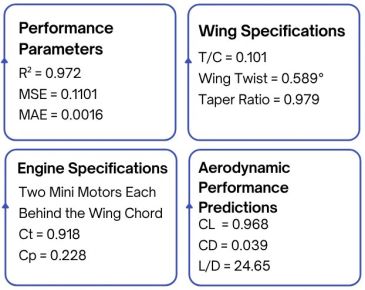
ML model accuracy metrics and optimal design parameters.

SHAP analysis: relative effects of wing geometry parameters on CL, CD, and L/D.
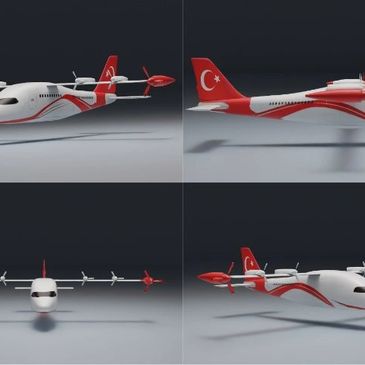
Final OTW distributed electric propulsion surveillance platform.
Final OTW distributed electric propulsion surveillance platform.
STAGE 3 · CFD and Multidisciplinary Performance Analysis

Effect of loss ratio on total power output (30 m/s and 60 m/s).

Rotor-on configuration vorticity and pressure distributions (OpenVSP).

Comparison of rotor-off CFD, rotor-on CFD, and ML predictions.

Classical and quantum CFD runtime comparison.

Drag polar theoretical analysis and CFD–theory aerodynamic efficiency comparison.
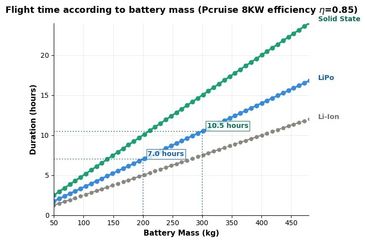
Battery mass–endurance relationship for different batteries

Endurance and energy source comparison of existing surveillance UAV platforms.

Velocity, CL, CD, L/D, thrust, and power requirements for four flight conditions.

Drag polar curve and maximum L/D point for rotor-on configuration.
Drag polar curve and maximum L/D point for rotor-on configuration.
STAGE 4 · Quantum-Assisted Flow Modeling
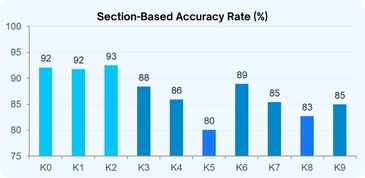
Section-wise accuracy of the quantum–classical hybrid model (K0–K9).
STAGE 5 · Experimental Studies
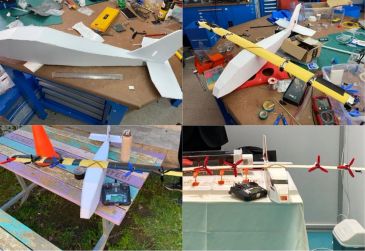
Prototype manufacturing stages: wing, fuselage, and system integration.
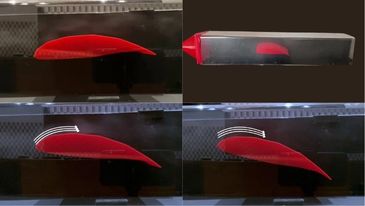
Wind tunnel test views of PLA-printed wing section model.
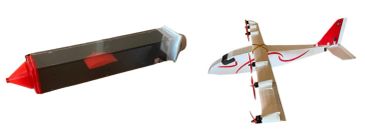
Final views of wind tunnel model and prototype aircraft.
Final views of wind tunnel model and prototype aircraft.

Welcome to the AeroQubit
This is a brief interactive preview rather than the full project, giving you a quick look at its key features and concepts. Enjoy exploring!